
Recently added
 85'Iggy the EagleYear: 2026Rating: 6.00/10
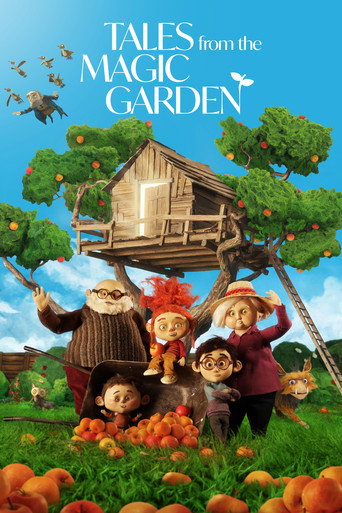 70'Tales from the Magic GardenYear: 2025Rating: 5.50/10
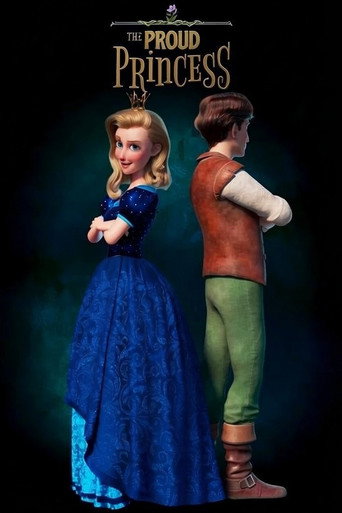 80'The Proud PrincessYear: 2024Rating: 6.80/10
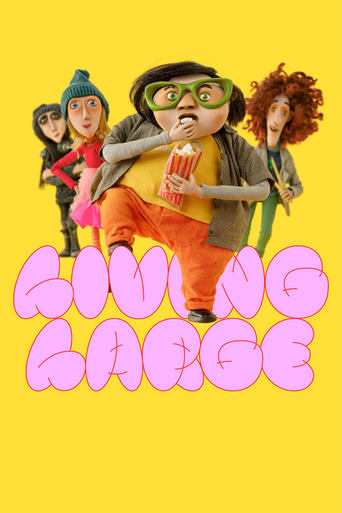 80'Living LargeYear: 2024Rating: 6.70/10
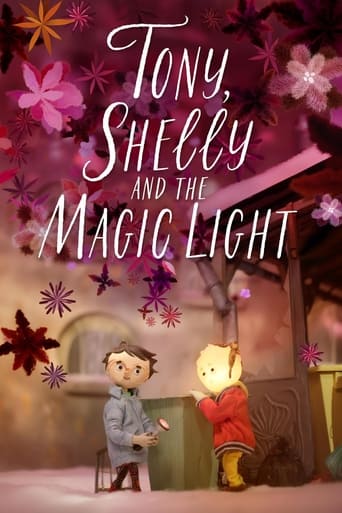 80'Tony, Shelly and the Magic LightYear: 2023Rating: 6.90/10
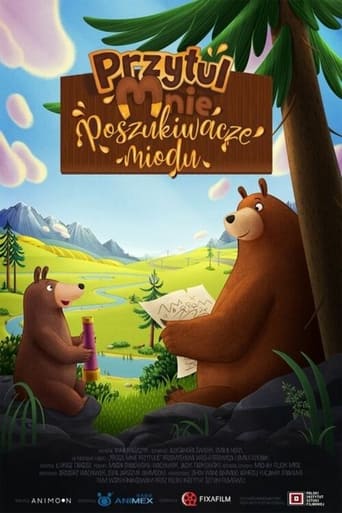 70'Hug Me. Honey SeekersYear: 2022Rating: 5.70/10
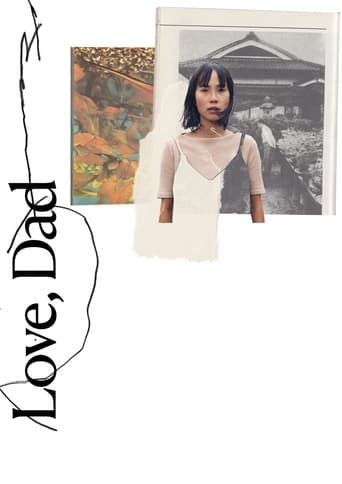 12'Love, DadYear: 2022Rating: 6.20/10
 80'Even Mice Belong in HeavenYear: 2021Rating: 7.20/10
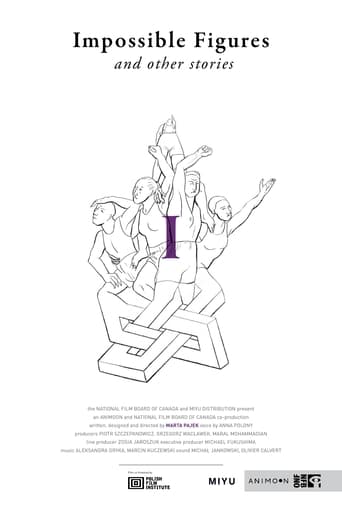 16'Impossible Figures and Other Stories IYear: 2021Rating: 6.70/10
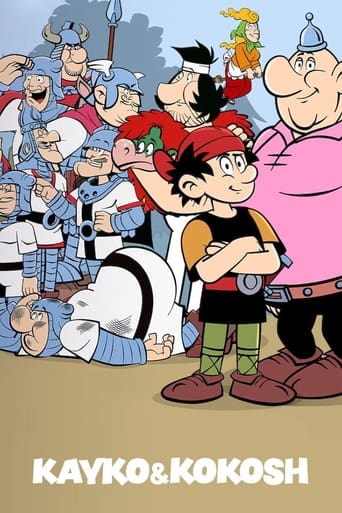 26Kayko and KokoshYear: 2021Rating: 6.60/10
Polish and Czech animation
Anime Odcinki: Polish and Czech animation, and where to watch it
From Bolek and Lolek, Reksio, Teddy Drop Ear and the stop-motion Moomins to Kayko and Kokosh, Jiří Trnka's puppets, Karel Zeman's voyages, The Pied Piper and Even Mice Belong in Heaven: films, series and art shorts from Poland, Czechia and Slovakia. Pick a title and press Watch now.
Films
Show all- 80'Even Mice Belong in HeavenYear: 2021Rating: 7.20/10
- 70'Tales from the Magic GardenYear: 2025Rating: 5.50/10
 82'Goat Story: The Old Prague LegendsYear: 2008Rating: 4.40/10
- 85'Iggy the EagleYear: 2026Rating: 6.00/10
 87'The Creation of the WorldYear: 1958Rating: 6.80/10
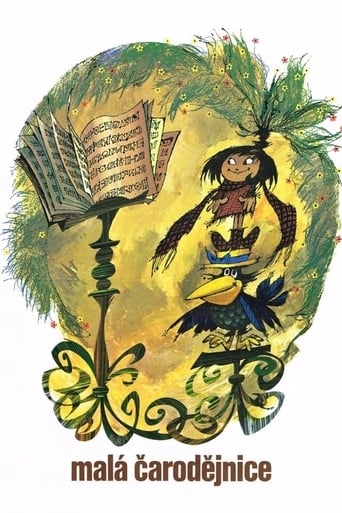 96'The Little WitchYear: 1984Rating: 6.70/10
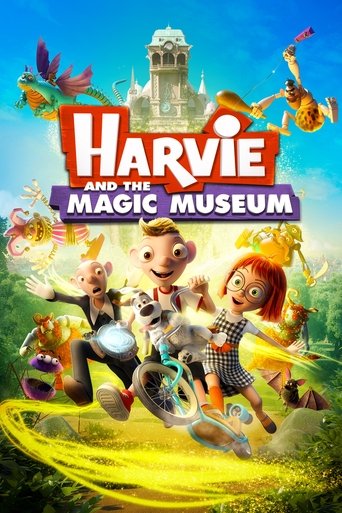 86'Harvie and the Magic MuseumYear: 2017Rating: 5.20/10
 85'The Fabulous Baron MunchausenYear: 1962Rating: 7.40/10
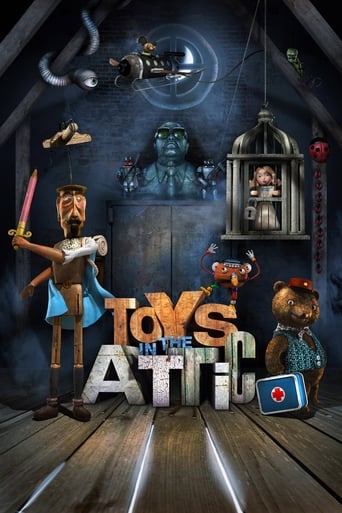 78'Toys in the AtticYear: 2009Rating: 6.40/10
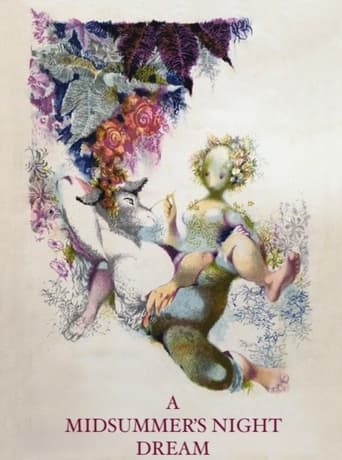 76'A Midsummer's Night DreamYear: 1959Rating: 7.20/10
- 80'Tony, Shelly and the Magic LightYear: 2023Rating: 6.90/10
- 80'Living LargeYear: 2024Rating: 6.70/10
Classics
Show all- 87'The Creation of the WorldYear: 1958Rating: 6.80/10
- 85'The Fabulous Baron MunchausenYear: 1962Rating: 7.40/10
 9'Love RequitedYear: 1958Rating: 5.00/10
- 76'A Midsummer's Night DreamYear: 1959Rating: 7.20/10
 29'Cybernetic GrandmaYear: 1963Rating: 6.20/10
 84'The Stolen AirshipYear: 1967Rating: 6.97/10
 23'Song of the PrairieYear: 1949Rating: 5.80/10
 5'Exclamation MarkYear: 1968Rating: 5.00/10
 6'HorseYear: 1967Rating: 6.70/10
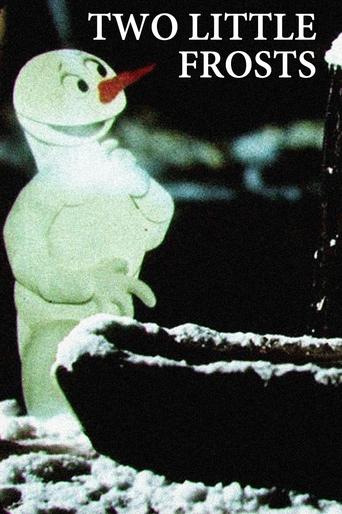 12'Two Little FrostsYear: 1955Rating: 6.60/10
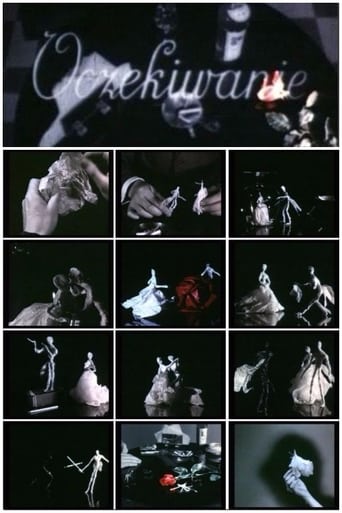 9'ExpectationYear: 1962Rating: 6.30/10
 2'Banner of YouthYear: 1957Rating: 5.00/10
Family favourites
Show all- 80'Even Mice Belong in HeavenYear: 2021Rating: 7.20/10
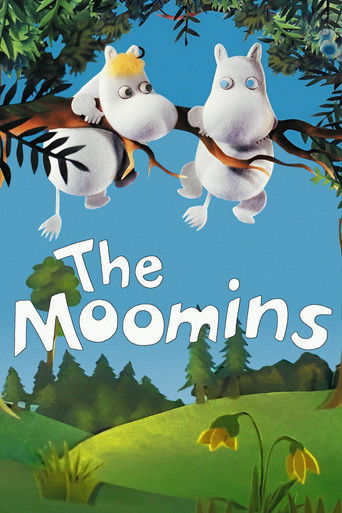 78The MoominsYear: 1978Rating: 7.20/10
- 70'Tales from the Magic GardenYear: 2025Rating: 5.50/10
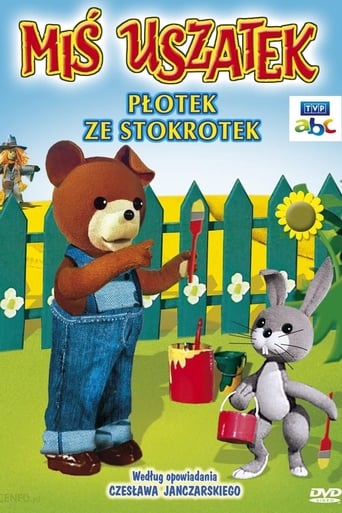 104Teddy Drop EarYear: 1975Rating: 6.70/10
- 26Kayko and KokoshYear: 2021Rating: 6.60/10
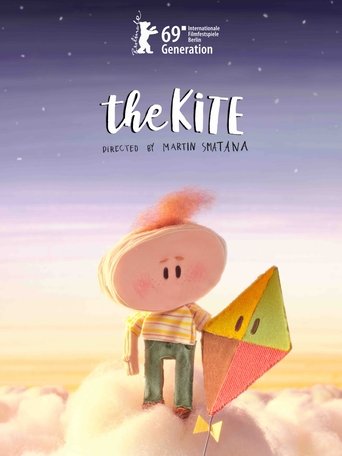 13'The KiteYear: 2019Rating: 6.50/10
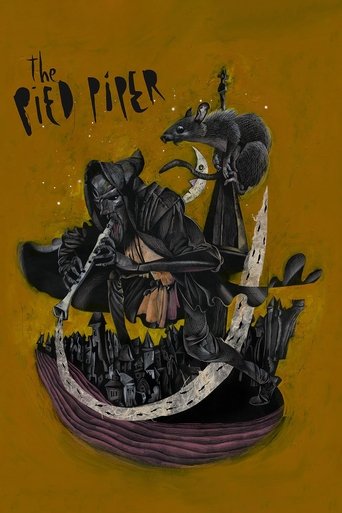 53'The Pied PiperYear: 1986Rating: 7.50/10
- 82'Goat Story: The Old Prague LegendsYear: 2008Rating: 4.40/10
- 85'Iggy the EagleYear: 2026Rating: 6.00/10
- 96'The Little WitchYear: 1984Rating: 6.70/10
- 86'Harvie and the Magic MuseumYear: 2017Rating: 5.20/10
- 85'The Fabulous Baron MunchausenYear: 1962Rating: 7.40/10
Poland
Show all- 78The MoominsYear: 1978Rating: 7.20/10
- 104Teddy Drop EarYear: 1975Rating: 6.70/10
- 26Kayko and KokoshYear: 2021Rating: 6.60/10
- 85'Iggy the EagleYear: 2026Rating: 6.00/10
 9'The ReturnYear: 1972Rating: 8.20/10
 5'The UnconqueredYear: 2017Rating: 8.10/10
- 9'Love RequitedYear: 1958Rating: 5.00/10
 15'Tuning the InstrumentsYear: 2000Rating: 6.20/10
 9'The EventYear: 1988Rating: 5.70/10
 9'The Hum of the ForestYear: 1973Rating: 9.00/10
 9'The First FilmYear: 1982Rating: 6.00/10
- 5'Exclamation MarkYear: 1968Rating: 5.00/10
Czech and Slovak
Show all- 80'Even Mice Belong in HeavenYear: 2021Rating: 7.20/10
- 70'Tales from the Magic GardenYear: 2025Rating: 5.50/10
- 13'The KiteYear: 2019Rating: 6.50/10
- 53'The Pied PiperYear: 1986Rating: 7.50/10
- 82'Goat Story: The Old Prague LegendsYear: 2008Rating: 4.40/10
- 87'The Creation of the WorldYear: 1958Rating: 6.80/10
- 96'The Little WitchYear: 1984Rating: 6.70/10
- 86'Harvie and the Magic MuseumYear: 2017Rating: 5.20/10
- 85'The Fabulous Baron MunchausenYear: 1962Rating: 7.40/10
- 78'Toys in the AtticYear: 2009Rating: 6.40/10
- 76'A Midsummer's Night DreamYear: 1959Rating: 7.20/10
- 80'Tony, Shelly and the Magic LightYear: 2023Rating: 6.90/10
Jiří Trnka
Show all- 76'A Midsummer's Night DreamYear: 1959Rating: 7.20/10
- 29'Cybernetic GrandmaYear: 1963Rating: 6.20/10
- 23'Song of the PrairieYear: 1949Rating: 5.80/10
- 12'Two Little FrostsYear: 1955Rating: 6.60/10
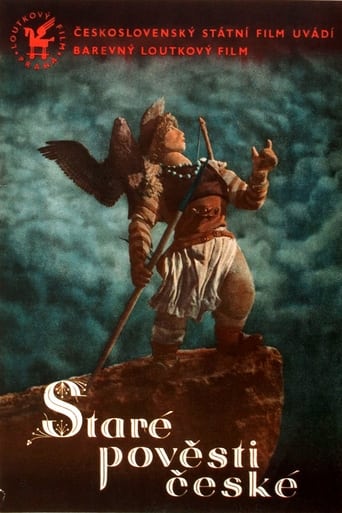 91'Old Czech LegendsYear: 1953Rating: 6.50/10
 29'Archangel Gabriel and Mistress GooseYear: 1965Rating: 6.20/10
 13'Story of the Bass CelloYear: 1949Rating: 5.80/10
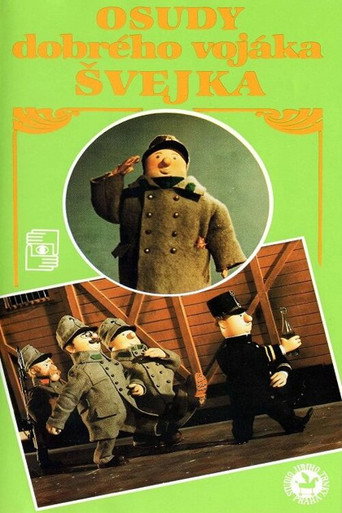 76'The Good Soldier SvejkYear: 1956Rating: 7.30/10
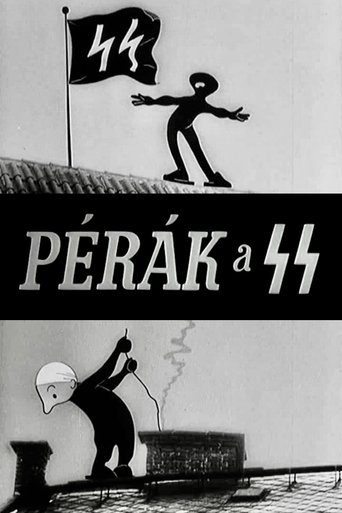 14'Springman and the SSYear: 1946Rating: 5.80/10
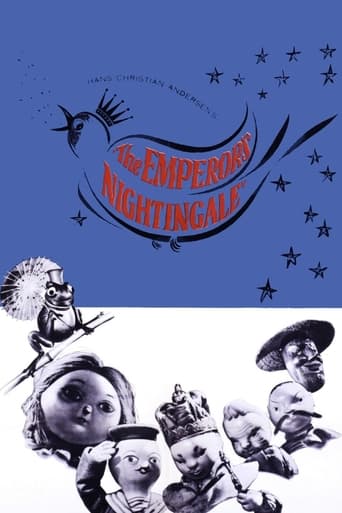 72'The Emperor's NightingaleYear: 1949Rating: 5.60/10
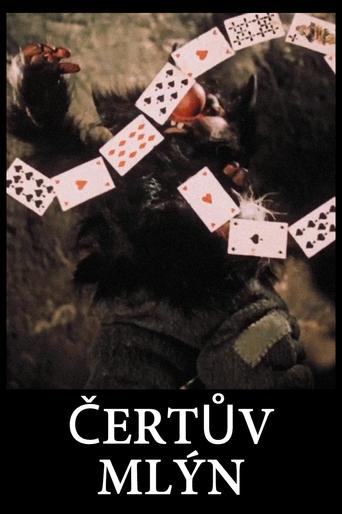 21'The Devil's MillYear: 1949Rating: 6.20/10
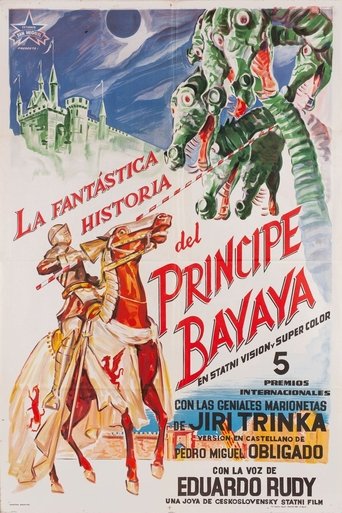 87'Prince BayayaYear: 1951Rating: 6.50/10
Karel Zeman
Show all- 85'The Fabulous Baron MunchausenYear: 1962Rating: 7.40/10
- 84'The Stolen AirshipYear: 1967Rating: 6.97/10
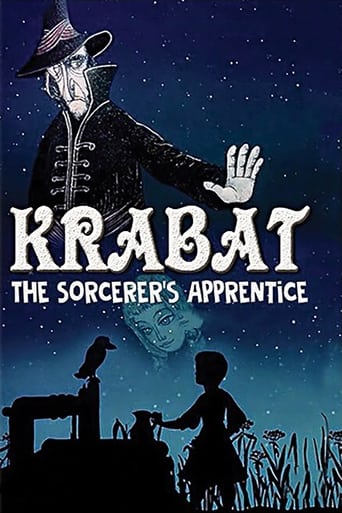 73'The Sorcerer's ApprenticeYear: 1978Rating: 7.20/10
 65'The Tale of John and MaryYear: 1980Rating: 7.20/10
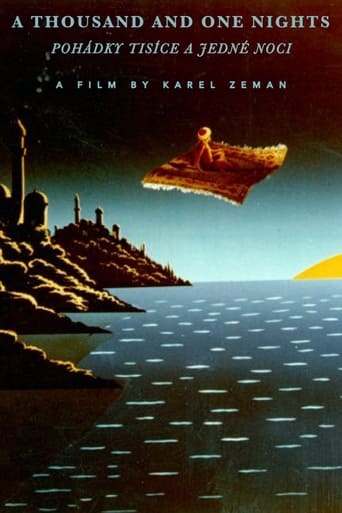 88'Tales of 1,001 NightsYear: 1974Rating: 6.40/10
 11'A Christmas DreamYear: 1945Rating: 5.80/10
 7'Mr. Prokouk, The Office ClerkYear: 1947Rating: 6.10/10
 9'Mr. Prokouk, The InventorYear: 1949Rating: 6.40/10
 30'King LavraYear: 1951Rating: 6.20/10
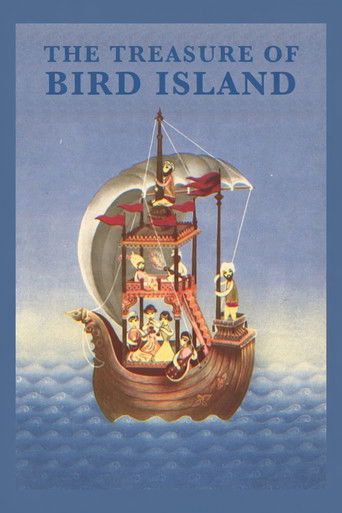 75'The Treasure of Bird IslandYear: 1953Rating: 7.30/10
 8'Mr. Prokouk, The FilmmakerYear: 1948Rating: 5.90/10
 8'Mr. Prokouk in TemptationYear: 1947Rating: 7.00/10
Art shorts
Show all- 9'The ReturnYear: 1972Rating: 8.20/10
- 9'Love RequitedYear: 1958Rating: 5.00/10
- 15'Tuning the InstrumentsYear: 2000Rating: 6.20/10
- 5'Exclamation MarkYear: 1968Rating: 5.00/10
 6'ReflectionsYear: 1979Rating: 5.20/10
 15'The ParadeYear: 1987Rating: 7.00/10
 5'RoadYear: 1971Rating: 4.80/10
- 6'HorseYear: 1967Rating: 6.70/10
- 9'ExpectationYear: 1962Rating: 6.30/10
- 2'Banner of YouthYear: 1957Rating: 5.00/10
 15'DobranockaYear: 1997Rating: 8.00/10
 7'The StuntmanYear: 1972Rating: 7.50/10
Since 1990
Show all- 80'Even Mice Belong in HeavenYear: 2021Rating: 7.20/10
- 70'Tales from the Magic GardenYear: 2025Rating: 5.50/10
- 26Kayko and KokoshYear: 2021Rating: 6.60/10
- 13'The KiteYear: 2019Rating: 6.50/10
- 82'Goat Story: The Old Prague LegendsYear: 2008Rating: 4.40/10
- 85'Iggy the EagleYear: 2026Rating: 6.00/10
- 5'The UnconqueredYear: 2017Rating: 8.10/10
- 86'Harvie and the Magic MuseumYear: 2017Rating: 5.20/10
- 15'Tuning the InstrumentsYear: 2000Rating: 6.20/10
- 78'Toys in the AtticYear: 2009Rating: 6.40/10
- 80'Tony, Shelly and the Magic LightYear: 2023Rating: 6.90/10
- 80'Living LargeYear: 2024Rating: 6.70/10
App, domains and help
Show all- How to watch with Anime OdcinkiFrom the shelf to the screen.
- A short history of Polish animationFrom Bielsko-Biała to the Polish school.
- A short history of Czech animationPuppets, fantasy and fairy tales.
- Family favouritesBolek and Lolek, Reksio, Pat and Mat and more.
- Art shortsThe Polish school and Czech auteurs.
- Subtitles and dubsPolish, Czech and English.
- The official Anime Odcinki siteRecognising Anime Odcinki.
- Is Anime Odcinki working?A quick check and easy fixes.
- Where Anime Odcinki titles streamThe official services behind the guide.
- Apps and devicesPhones, tablets, laptops and TVs.
- Free Polish and Czech animationLegal ways to watch at zero cost.
- Streaming safelyA short checklist.
- Finding a titleSearch in English, Polish or Czech.
- My ListSaving titles for later.
- The Polish MoominsSe-ma-for's stop-motion Moominvalley.
Anime Odcinki: Polish and Czech animation, from Bolek and Lolek, Reksio and the Polish Moomins to Jiří Trnka, Karel Zeman, Kayko and Kokosh and Even Mice Belong in Heaven
Poland and its Czech and Slovak neighbours have given the world some of its most inventive animation. From the puppet films of Prague and the stop-motion studios of Łódź to the cartoon workshops of Bielsko-Biała and the art films of the Polish school, Central European animators have delighted children, inspired artists and won prizes at every major festival. Anime Odcinki is a guide to that tradition.
Here you will find the adventures of Bolek and Lolek, Reksio the dog and Teddy Drop Ear, the gentle stop-motion Moomins of Se-ma-for, the Slavic warriors Kayko and Kokosh, the puppet masterpieces of Jiří Trnka, the fantastic voyages of Karel Zeman, Pat and Mat, Harvie and the Little Witch, the art films of Jan Lenica, Walerian Borowczyk, Witold Giersz and Jiří Barta, and modern features such as Even Mice Belong in Heaven, Toys in the Attic and The Oddsockeaters. Every title has its own page with the story, the studio, the director, the voice cast and, for series, every episode with its original air date, plus a Watch now button that opens it on the official services in your country.
The collection holds more than one hundred and fifty titles from the 1940s to today, each chosen by hand. This page explains how Anime Odcinki is built, what each part of the design is for and what waits on each shelf. It also tells the story of Polish and Czech animation, introduces the studios and directors you will meet and suggests routes through the collection for families, film lovers and anyone curious about Central European culture.
A great tradition
After the Second World War, the new state film industries of Poland and Czechoslovakia invested heavily in animation. Studios were founded in Warsaw, Łódź, Bielsko-Biała, Kraków, Prague and Zlín, and they employed hundreds of artists who were free to experiment with every technique: drawn animation, puppets, cut-outs, painting on glass, sand, salt and even films scratched directly onto the film strip. The results were remarkable, and by the 1960s the Polish school of animation and the Czech puppet film were famous around the world.
These studios made films for two audiences. For children, they created beloved characters such as Bolek and Lolek, Reksio, Teddy Drop Ear, the Mole and Pat and Mat, whose short episodes were shown on television every evening in the bedtime slot. For adults and festivals, they made art films that used animation to explore ideas, often with wit and a subtle critique of the society around them.
The tradition continues today. Polish and Czech studios make features for families, series for streaming services and award-winning short films, and new directors are bringing fresh ideas to the old techniques. Anime Odcinki follows the whole story, from the first post-war cartoons to the latest releases.
The Anime Odcinki design
Anime Odcinki follows the look of the archived anime-odcinki.pl home page of August 2026, a busy and colourful WordPress site. At the top sits a black bar with the white wordmark and a row of purple buttons for the main sections, with My List and help at the right. The page itself is a deep slate blue, split into a narrow left column and a wide main column.
The left column opens with a bright blue banner that leads to the help pages, followed by a Series box under a golden script heading, with a list of titles on slate rows and a button to show all titles. The main column opens with a large Recently added heading, followed by three coloured status dots and a rounded search box. Below it, a grid of tall cards shows the newest titles, each with a coloured dot in the corner, a small black box with the number of episodes or the running time, a black title bar and a footer line with the year and the audience rating.
A row of bright chips leads to the era shelves, in orange, blue, green and amber, with an outlined chip for everything. Then come panels with large cyan headings, a cyan rule and a purple Show all button, each holding a scrolling row of cards: Films, Classics and the themed shelves. The status dots follow a simple code: green for titles made since 2000, yellow for series and red for older films.
How to use Anime Odcinki
There are many doors into the collection. Recently added shows the newest titles, the Series box in the left column lists the series and recent films, the era chips jump to a period, and the panels below gather titles by country, studio and theme. The search box finds any title in English or in its original language, so you can type Kayko and Kokosh or Kajko i Kokosz and land on the same page. For series, you can add a season and an episode, as in Kayko and Kokosh S2E3.
Every title page gives the story, the year, the running time or the number of episodes, the studio, the director and the voice cast. Series pages list every episode with its original air date. At the top of each page, the Watch now button asks for your country and then opens JustWatch, which lists the subscription services, rental shops and free services that carry the title where you live. The Add to My List button saves a title in your browser for later.
Bolek and Lolek, Reksio and the Bielsko-Biała studio
The Studio Filmów Rysunkowych in Bielsko-Biała, a town in southern Poland, is the home of the country's most famous cartoon characters. Bolek and Lolek, two lively brothers created by Władysław Nehrebecki, first appeared in the early 1960s and went on to star in hundreds of episodes and several films, travelling around the world in search of adventure. Around the World with Bolek and Lolek of 1977 sends them on a journey in the footsteps of Phileas Fogg, and Bolek and Lolek in the Wild West takes them to the American frontier.
Reksio, created by Lechosław Marszałek in 1967, is a friendly, clever little dog who helps his friends and learns about the world, one of the gentlest cartoon heroes ever made. Marszałek also made Adventures of the Blue Knight. Cat and Mouse, an early film by Nehrebecki, shows the studio's playful beginnings, and Se-ma-for's Enchanted Pencil follows a boy and his dog, who draw their way out of trouble with a magic pencil.
These series were part of the Dobranocka, the bedtime cartoon broadcast every evening on Polish television, and generations of Polish children fell asleep to their adventures. They remain much loved today, and their gentle humour and bright designs appeal to children everywhere.
Se-ma-for and the Polish Moomins
Se-ma-for, the studio in Łódź, is famous for stop-motion animation. Its best-known series is Teddy Drop Ear, known in Polish as Miś Uszatek, the story of a teddy bear with one floppy ear, based on the stories of Czesław Janczarski. Each episode ends with Teddy going to bed, which made the series a perfect bedtime companion.
In the late 1970s, Se-ma-for made The Moomins, a stop-motion series based on the books of Tove Jansson, with felt puppets, soft lighting and a quiet, dreamy atmosphere. It became one of the most beloved versions of the Moomins anywhere, and its episodes were later gathered into the films Winter in Moominland and The Happy Days of the Moomins. The studio also worked on many art films, and it shared in the Academy Award for Peter and the Wolf in 2008.
The Polish school of animation
From the late 1950s, a group of Polish artists transformed animation into a form of modern art. Working mostly at the Studio Miniatur Filmowych in Warsaw, they made short films with bold graphic designs, cut-outs, collage and experimental sound, often with a sharp sense of humour. Their work, known abroad as the Polish school of animation, won prizes at festivals from Annecy to Oberhausen and influenced animators everywhere.
Jan Lenica and Walerian Borowczyk began the movement together with Once Upon a Time of 1957, a playful cut-out film, and followed it with Love Requited. Borowczyk's The School and Banner of Youth and Lenica's New Janko the Musician and Labyrinth, a haunting film about a man with wings in a city of strange machines, are classics of the movement. Daniel Szczechura made witty films about modern life, such as The Machine, The Chair, Hobby and Journey, and Kazimierz Urbański experimented with colour and texture in Matter, Playthings and Sweet Rhythms.
Witold Giersz brought painting to animation. A Little Western of 1961 is a playful cowboy story drawn with loose brushstrokes, and Horse of 1967 is a breathtaking painted film of a galloping horse. The Red and the Black, Expectation and The Stuntman show his range. Stefan Schabenbeck made the stark and philosophical The Stairs, Everything Is a Number and Exclamation Mark, and Mirosław Kijowicz made the elegant Road.
The movement continued in the following decades. Jerzy Kucia, working in Kraków, made meditative films about memory and nature, such as The Return, Reflections, The Parade, Across the Field and Tuning the Instruments. Julian Józef Antonisz invented his own machines and made films by drawing and scratching directly onto the film strip, as in How a Sausage Dog Works and How Does It Happen, Agnisia Is Asking, That We Can See a Bear on the Screen. Zbigniew Rybczyński made bold experiments with the camera and the frame, such as Soup, Square and Take Five, before winning an Academy Award in 1983.
Aleksandra Korejwo created a technique all her own, animating coloured salt on black backgrounds. Her Carmen trilogy, Carmen Suite, Carmen Habanera and Carmen Torero, sets Bizet's music to swirling dancers made of salt, one of the most beautiful sights in animation. The Polish tradition lives on in younger directors such as Marek Skrobecki, whose puppet film Dim. is a small masterpiece, Natalia Brożyńska, Barbara Rupik and Marta Pajek.
Kayko and Kokosh and modern Polish animation
Kayko and Kokosh brings to the screen one of Poland's most beloved comics. Created by Janusz Christa in the 1970s, the comic follows two Slavic warriors, the clever Kayko and the big, boastful Kokosh, who defend the village of Mirmiłowo from the scheming Knaveknights. The animated series of 2021 captures the comic's humour and energy and has introduced the heroes to a new generation.
Modern Polish animation includes films for every age. Iggy the Eagle of 2026 follows a young eagle in a technologically advanced society who dreams of flying with his imaginary brother. How To Save Mom is a family adventure, Hug Me. Honey Seekers is a gentle film for small children, and Tytus, Romek i A'Tomek wśród złodziei marzeń adapts the famous comic by Henryk Jerzy Chmielewski about a chimpanzee and two boys. Animated History of Poland, made for the Polish pavilion at Expo 2010 in Shanghai, tells a thousand years of history in eight minutes of dazzling animation.
The Polish art film is also thriving, with festival favourites such as The Little Soul, Impossible Figures and Other Stories I, Shivering Trunks and The Advisors of King Hydrops. Many of these films come from the famous film school in Łódź, which has trained generations of Polish directors and animators.
Jiří Trnka and the Czech puppet film
Jiří Trnka is the great master of the Czech puppet film, often called the Walt Disney of the East, although his style could hardly be more different. A painter, illustrator and puppeteer, Trnka founded a studio in Prague after the war and made puppet films of astonishing beauty, with carved wooden figures whose unmoving faces seem to change expression with every tilt of the head and change of light.
His early films include Springman and the SS, a comic story of a chimney sweep who becomes a masked hero with the help of a spring, The Czech Year, a celebration of Czech customs through the seasons, and Song of the Prairie, a delightful parody of the Western. The Emperor's Nightingale, after Hans Christian Andersen, and Prince Bayaya, a Czech fairy tale of a young peasant who becomes a knight, are feature-length masterpieces, and Old Czech Legends brings the ancient myths of Bohemia to life in seven monumental episodes.
Trnka's A Midsummer's Night Dream of 1959 adapts Shakespeare with dazzling craft, The Good Soldier Svejk adapts Jaroslav Hašek's comic novel, and Cybernetic Grandma of 1962 is a science-fiction story in which a robot grandmother tries to replace the real one. His shorts Story of the Bass Cello, The Devil's Mill, Two Little Frosts and Archangel Gabriel and Mistress Goose show his wit and lightness of touch.
Karel Zeman's fantastic voyages
Karel Zeman, working at the studio in Zlín, was one of the great fantasists of cinema. He began with the comic character Mr. Prokouk, a well-meaning everyman whose attempts at building, inventing and office work always go comically astray, in films such as Mr. Prokouk: A Horseshoe for Luck, Mr. Prokouk, The Office Clerk, Mr. Prokouk in Temptation, Mr. Prokouk, The Filmmaker and Mr. Prokouk, The Inventor. With Bořivoj Zeman he made A Christmas Dream, in which a discarded rag doll comes to life, and his Inspiration of 1949 was animated with figures of blown glass.
Zeman became world famous for films that combine live actors, animation, puppets and backgrounds in the style of old engravings. The Fabulous Baron Munchausen of 1962 sends a modern astronaut to the Moon, where he meets the famous baron and Cyrano de Bergerac, and The Stolen Airship of 1967 follows five boys who steal an airship at a Prague exhibition and fly off to adventure, inspired by Jules Verne. King Lavra is a satirical fairy tale, and The Treasure of Bird Island is a Persian tale drawn in the style of miniature painting.
In his later years Zeman returned to cut-out animation with Tales of 1,001 Nights, the dark Czech legend The Sorcerer's Apprentice, known elsewhere as Krabat, and The Tale of John and Mary. His films influenced directors from Terry Gilliam to Tim Burton, and a museum in Prague celebrates his work today.
Czech family favourites
Czech animation has given children around the world a gallery of beloved characters. The little Mole, created by Zdeněk Miler, first appeared in How the Mole Got His Trousers of 1957, in which he asks his animal friends to help him make a pair of trousers with big pockets. The Mole became one of the most famous cartoon characters of Central Europe, loved from Poland to China.
Pat and Mat, the two cheerful and hopelessly clumsy neighbours created by Lubomír Beneš, turn every household repair into a comic disaster, and they appear in the feature films Pat & Mat in a Movie and Pat & Mat: DIY Troubles. The Little Witch of 1984, after Otfried Preussler's book, follows a good-hearted young witch and her raven friend, and Mach a Šebestová k tabuli! follows two schoolchildren and their magic telephone receiver. Harvie and the Magic Museum brings the famous puppet boy Hurvínek into a computer-game adventure, and Čtyřlístek ve službách krále brings the four friends of the popular Four-Leaf Clover comic to the screen.
Modern Czech features include Goat Story: The Old Prague Legends, the first Czech computer-animated feature, and its sequel Goat Story With Cheese, Kooky, Jan Svěrák's adventure about a lost teddy bear, and Toys in the Attic, Jiří Barta's magical tale of toys in an attic. The Oddsockeaters follows the mischievous little creatures who steal odd socks, Tony, Shelly and the Magic Light follows a glowing boy who befriends a curious girl, and Even Mice Belong in Heaven is a moving and funny story about a mouse and a fox who become friends in animal heaven.
Jiří Barta and the Czech auteurs
Jiří Barta is one of the most admired Czech animators. His The Pied Piper of 1986, carved from wood and set in a city of crooked houses and greedy townspeople, is regarded as one of the masterpieces of European animation, a dark and powerful version of the famous legend. His shorts Riddles for a Candy, Disc Jockey, The Design, The Vanished World of Gloves and A Ballad About Green Wood show his playful invention.
The shelf of Czech auteurs also holds Words, Words, Words, Michaela Pavlátová's Oscar-nominated comedy about conversations in a café, Daughter, Daria Kashcheeva's Oscar-nominated puppet film about a father and daughter, Laika, Aurel Klimt's tribute to the dog who travelled into space, and Love, Dad, a personal film by Diana Cam Van Nguyen made from letters and photographs.
Fairy tales and stories from Prague
Fairy tales have always been at the heart of Czech animation. Jan Werich's Fimfarum, Fimfarum 2 and Fimfarum - To the good of all bring the witty stories of the actor and writer Jan Werich to life with puppets, each tale directed by a different artist, in films for clever children and clever adults alike. The Proud Princess retells a classic Czech fairy tale about a haughty princess and a patient king, and Tales from the Magic Garden weaves fairy tales into a moving story about three children and their grandparents.
The shelf also holds several unexpected treasures. The Creation of the World of 1958, based on the drawings of the French cartoonist Jean Effel, was animated in Prague by Eduard Hofman and tells the story of creation with gentle humour. Teeny-Tiny and the Witch Woman was made in Prague by the American director Gene Deitch, who lived and worked in the city for decades, and Incorrectly Drawn Hen follows a Picasso-style chicken who runs away from a school blackboard. The Snowman, by the pioneering puppet animator Hermína Týrlová, is a charming short about a snowman who comes to life.
Adventures of Robinson Crusoe, a Sailor from York is a stylish adaptation of Defoe's novel that follows Crusoe before and after his years on the island, and The Lion and the Song, by Břetislav Pojar, is a poetic fable about music and the desert. The Fruits of Clouds is a gentle modern short about a furry creature and his friends in a clearing surrounded by dark woods.
Slovakia
Slovak animation is a smaller but lively scene, and it is represented on Anime Odcinki by The Kite, Martin Smatana's tender stop-motion film about a little boy who loves flying kites with his grandfather, and about how the seasons change everything. Made with textiles and soft materials, it is a gentle way to talk with children about growing up and saying goodbye, and it won prizes at festivals around the world.
Through the eras
The Before 1970 shelf gathers the classics of the post-war decades: Trnka's puppet features, Zeman's Mr. Prokouk films and fantastic voyages, the first Polish school art films, the Mole and the early Bielsko-Biała cartoons. These films show how quickly Central European animators found their own voice.
The 1970 to 1989 shelf covers the years of Bolek and Lolek's travels, Teddy Drop Ear, the Polish Moomins, The Little Witch and The Pied Piper, along with the experimental films of Rybczyński, Kucia and Antonisz. The Since 1990 shelf holds the modern era, from Korejwo's salt animations and the Fimfarum films to Kayko and Kokosh, Even Mice Belong in Heaven and the newest features. The Top rated shelf gathers the titles viewers rate most highly.
Routes through the collection
If you are new to this animation, start with three films that show its range: Around the World with Bolek and Lolek for cartoon adventure, The Fabulous Baron Munchausen for fantasy and Even Mice Belong in Heaven for a modern family feature. Then follow the thread that appeals to you most.
For young children, the Family favourites shelf is the place to go: Reksio, Teddy Drop Ear, the Moomins, Pat and Mat, the Mole, The Little Witch and The Oddsockeaters are all perfect first films. For film lovers, follow Trnka through his puppet features, then Zeman through his voyages, then the Polish school through the Art shorts shelf. For an evening of wonder, try The Stolen Airship, Prince Bayaya and The Pied Piper.
The bedtime cartoon
For decades, Polish children ended their day with the Dobranocka, a short cartoon broadcast every evening on television just before bedtime. Czech and Slovak children had their own version, the Večerníček, introduced by a little paper boy in a paper hat. These short programmes made stars of Bolek and Lolek, Reksio, Teddy Drop Ear, the Moomins, the Mole, Pat and Mat and dozens more, and they shaped the childhood of millions.
The bedtime cartoon had its own style: episodes of about ten minutes, gentle stories with a clear moral, very little dialogue so that the films could travel abroad, and warm, hand-made animation. Many of these series were sold around the world, and children from Finland to Japan grew up with the same characters. Today the bedtime cartoon lives on in streaming services and in the memories of the parents who now share these films with their own children.
The film Dobranocka by Daniel Szczechura plays with the idea of the bedtime cartoon itself, following a hare through a series of dreamlike adventures, and Poszukiwacze zaginionej gwiazdki is a Christmas story about the search for a lost star on Christmas Eve.
Studios to know
Several studios stand behind most of the titles on Anime Odcinki. In Poland, the Studio Filmów Rysunkowych in Bielsko-Biała made Bolek and Lolek and Reksio, Se-ma-for in Łódź made Teddy Drop Ear and the Moomins, the Studio Miniatur Filmowych in Warsaw made many of the art films of the Polish school, and the Studio Filmów Animowanych in Kraków was the home of Jerzy Kucia and other auteurs. The film school in Łódź trained many of them and continues to produce award-winning student films.
In Czechia, the Bratři v triku studio in Prague made the Mole and many drawn films, the Jiří Trnka studio made the great puppet films, and the studios in Zlín, once called Gottwaldov, were the home of Karel Zeman and Hermína Týrlová. Today independent companies such as MAUR film make features and short films for international audiences. The title pages list the studio of every title, so you can follow a favourite studio through the collection.
Animation for families
Most of the family favourites on Anime Odcinki were made for young children and suit the whole family. They are short, warm and funny, often with little dialogue, which makes them easy for children of any language to follow. Parents who grew up with Bolek and Lolek or the Mole often find that their own children love them just as much.
The art shorts and some of the older films were made for adults and older children. They explore history, society and the human condition, sometimes with dark humour, and they reward attention and discussion. The title pages give the running time and the story, and the official services show an age rating for each title in your country.
Watching today
Many Polish and Czech classics have been restored and are available on official services, film archive channels and public broadcasters, often with English subtitles, and many of the short films are wordless. Modern features are carried by streaming services and digital shops in many countries. The Watch now button on each title page shows where a title is available in your country, with labels for subscription, rental, purchase and free viewing.
Because rights to Polish and Czech films are sold country by country, a film may stream in Warsaw but only rent in London. That is why Watch now asks for your country first; JustWatch then gathers every official option for that country on one page.
Titles and languages
Titles on Anime Odcinki are listed under their best-known English names, with the original Polish, Czech or Slovak title on each page. Many characters have several names: Miś Uszatek is Teddy Drop Ear, Kajko i Kokosz are Kayko and Kokosh, Krtek is the Mole and Hurvínek is Harvie. The search box understands every version, so you can type whichever name you know. The Subtitles and dubs guide explains how to switch languages in the player, and the Finding a title guide explains searching by original title and by episode.
How the collection is chosen
Every title on Anime Odcinki was chosen by hand. The editors began with Polish, Czech and Slovak animation in The Movie Database, favoured titles that viewers rate and discuss, and then read the story of each candidate. Adult cartoons and grown-up art films with explicit or violent content were set aside, so the collection stays focused on family favourites, classics and art films suitable for a wide audience. Posters, stories and production details come from The Movie Database, and the collection is refreshed as new titles appear. The About page explains more.
Comics on screen
Polish and Czech comics have inspired some of the most popular animation in the collection. Kayko and Kokosh comes from Janusz Christa's much-loved comic about two Slavic warriors, first published in the 1970s and still read by children and adults today. Tytus, Romek i A'Tomek wśród złodziei marzeń adapts the famous comic by Henryk Jerzy Chmielewski, known as Papcio Chmiel, about a chimpanzee who wants to become human and his two schoolboy friends.
In Czechia, the Four-Leaf Clover comic, about four animal friends who live in the town of Třeptákov, has been a favourite since 1969 and comes to the screen in Čtyřlístek ve službách krále. The picture books and cartoons of Adolf Born, who illustrated Mach a Šebestová k tabuli!, are equally beloved. These adaptations keep the look and humour of the original drawings, and they are a lovely introduction to the comics themselves.
The puppet theatre tradition
Czech animation grew from one of the richest puppet theatre traditions in Europe. For centuries, travelling puppeteers performed in towns and villages across Bohemia and Moravia, and in the twentieth century the puppeteer Josef Skupa created Spejbl and his son Hurvínek, a father-and-son double act that is still performed today in Prague. Harvie and the Magic Museum brings Hurvínek into the digital age.
This love of puppets shaped the Czech animated film. Jiří Trnka began his career as a puppeteer, Hermína Týrlová made her first puppet films in the 1920s and 1930s, and generations of Czech animators trained in puppetry before moving to film. The puppet features of today, such as Even Mice Belong in Heaven and the Fimfarum films, continue that tradition with modern techniques.
Animation museums and festivals
Fans of Polish and Czech animation can visit the places where these films were made. In Bielsko-Biała, exhibitions of the studio's drawings, puppets and cameras have welcomed visitors curious about Bolek and Lolek and Reksio, and statues of the characters stand in the town centre. In Łódź, the Se-ma-for studio's puppets and sets have been exhibited to visitors, and Prague has a museum devoted to the films of Karel Zeman, where visitors can explore his special effects.
Festivals celebrate the tradition too. Animation festivals in Poland and Czechia show new short films alongside retrospectives of the classics, and the Anifilm festival in the Czech town of Liberec is one of the major animation events in Central Europe. These festivals are a wonderful way to discover new directors and to see the classics on a big screen.
Tips for watching art films
The art shorts on Anime Odcinki reward a different kind of attention from cartoons. Many are only five or ten minutes long, with very little dialogue, and they use images, rhythm and sound to express an idea or a feeling. Watching two or three in a row, with a pause in between, is a good way to enjoy them, and reading the short summary on each title page first can help you notice the details.
These films often have a sense of humour, even when their subjects are serious. Szczechura's films poke fun at modern routines, Giersz's cowboys and horses burst with energy, and Korejwo's dancers of salt seem to leap off the screen. Many were made under censorship, and part of the pleasure is finding the clever ideas their makers slipped past the authorities.
Christmas and the seasons
Christmas is a special time for Polish and Czech animation. A Christmas Dream of 1945, one of Karel Zeman's first films, tells of a discarded rag doll who comes to life on Christmas night to win back the love of a little girl, and Poszukiwacze zaginionej gwiazdki follows a family's search for a lost star on Christmas Eve. The Snowman and Two Little Frosts are wintry shorts that suit the season perfectly.
The seasons play a big role throughout the collection. Trnka's The Czech Year celebrates the customs of the Czech calendar, from carnival to harvest, and the Moomins' winter films capture the magic of snow and long nights. Families often keep favourite films for particular times of year, and the shelves make it easy to find them.
Legends and history
Central European animation draws deeply on history and legend. Old Czech Legends brings to life the founding myths of Bohemia, from Forefather Čech who led his people to their new homeland to Princess Libuše who foresaw the city of Prague. Goat Story: The Old Prague Legends retells the legends of Prague with a comic goat as the hero, and The Sorcerer's Apprentice adapts the dark Lusatian legend of Krabat.
In Poland, Animated History of Poland tells a thousand years of history in a few breathtaking minutes, and The Unconquered follows the struggle of Poles for freedom during the Second World War, made for the Institute of National Remembrance. These films are a vivid way to learn about the region's past, and they suit older children and adults.
Why a guide helps
Polish and Czech animation is scattered across archives, broadcasters, streaming services and shops, and many titles are known by several names in different languages. Anime Odcinki brings them together in one place, with English titles, original titles, short summaries and a Watch now button that shows every official option in your country. The shelves make it easy to follow a studio, a director or a character, and My List keeps track of everything you want to see.
Anime Odcinki is an independent guide. It keeps My List in your browser, draws its posters and production details from The Movie Database and sends you to the official services through JustWatch, so that every view supports the archives, studios and artists who keep this animation alive.
Women who shaped the tradition
Women have played a leading role in Polish and Czech animation from the start. Hermína Týrlová, often called the mother of Czech animation, made puppet films for children for more than five decades, including the famous adventures of Ferda the Ant, and her gentle films are still shown today. In Poland, Zofia Ołdak directed the family feature Tato, nie bój się dentysty, and Krystyna Kulczycka co-directed Se-ma-for's much-loved Moomins series.
In recent decades, Aleksandra Korejwo's salt films and Michaela Pavlátová's witty shorts have won prizes around the world, and a new generation has followed. Daria Kashcheeva's Daughter was nominated for an Academy Award, Galina Miklínová directed The Oddsockeaters, Kristina Dufková directed Living Large, a warm comedy about a boy who decides to change his life, and Polish directors such as Natalia Brożyńska, Barbara Rupik and Marta Pajek are among the most admired makers of short films in Europe.
More directors to know
Beyond the great names, the collection holds the work of many directors worth following. Stanisław Dülz directed the Bolek and Lolek features, Ireneusz Czesny made the fairy-tale films A Tale of Two Kitties and Poszukiwacze zaginionej gwiazdki, and Jan Balej, a Czech puppet animator with a darkly poetic imagination, directed Fimfarum 2 and Little from the Fish Shop, a retelling of The Little Mermaid set in a fish shop.
Jan Tománek brought computer animation to Czech features with the Goat Story films, Jan Bubeníček and Denisa Grimmová directed Even Mice Belong in Heaven, and Filip Pošivač directed Tony, Shelly and the Magic Light. The title pages list the director of every film, so you can follow any of them through the collection and discover their other work.
Tips for a family film evening
A Polish or Czech film evening is easy to plan. Start with a short bedtime cartoon, such as an episode of Reksio, Teddy Drop Ear or the Moomins, to set a gentle mood. Follow it with a feature that suits your family: Around the World with Bolek and Lolek for adventure, The Little Witch for magic, Kooky for a thrilling journey through the woods or Even Mice Belong in Heaven for a story that will make everyone laugh and cry.
For older children, try a double bill of Karel Zeman's The Stolen Airship and The Fabulous Baron Munchausen, which mix live action and animation in ways that still amaze today. Many of these films have very little dialogue, so they are easy to enjoy whatever language your family speaks, and they make wonderful starting points for conversations about history, legends and the art of animation.
Finally, save your favourites in My List and come back for more. The collection is refreshed as new titles appear, and the shelves make it easy to find the next film to share.
If your family enjoys a particular character, the title pages make it easy to find more: each page lists the studio, the director and the voice cast, and the shelves group related films together. Over a few evenings, you can travel from the cartoons of Bielsko-Biała to the puppet studios of Prague and the art films of Warsaw, discovering a whole world of animation along the way.
Many families also enjoy comparing versions of the same story. The Moomins appear in the Polish stop-motion series and in films from Finland and Japan, Andersen's tales appear in Trnka's The Emperor's Nightingale and many other films, and the legends of Prague appear in both Trnka's puppet epic and the computer-animated Goat Story. Seeing how different artists tell the same tale is one of the great pleasures of exploring animation from around the world.
Techniques to discover
One of the joys of Polish and Czech animation is the sheer variety of techniques. Puppet animation, perfected by Trnka and Týrlová in Czechia and by Se-ma-for in Poland, uses carved wooden figures, felt dolls or wire armatures moved a fraction at a time. Cut-out animation, used by Lenica, Borowczyk and Zeman, moves flat paper figures across painted backgrounds. Painted animation, as in Giersz's Horse, creates each frame as a new painting, and Korejwo's salt films use coloured grains poured and shaped by hand.
Some artists invented their own methods. Karel Zeman animated blown glass in Inspiration, Antonisz scratched and drew directly onto film, and Barta carved an entire medieval city for The Pied Piper. Modern directors mix these traditions with computer animation, as in Goat Story: The Old Prague Legends and Iggy the Eagle, or return to hand-made puppets, as in Even Mice Belong in Heaven and Daughter. Watching films from different decades side by side is a wonderful way to see how many ways there are to bring a picture to life.
Music and sound
Music plays a special role in this animation. Many films have very little dialogue, so the music carries the story. Trnka worked with the composer Václav Trojan on his puppet features, Korejwo's films are set to Bizet, and the Polish school made bold use of jazz, electronic music and sound collage. The bedtime cartoons had catchy theme tunes that millions of adults can still hum.
This emphasis on music and images means that the films travel easily. A child in any country can enjoy Bolek and Lolek or the Mole, and a film lover anywhere can appreciate the art of Lenica or Barta, whatever language they speak.
All the shelves
The full list of shelves lives on the collections page. Everything holds every title, Series gathers the television series and Films gathers the features and short films. The country shelves are Poland and Czech and Slovak, and the themed shelves are Family favourites, Jiří Trnka, Karel Zeman and Art shorts. The era shelves are Before 1970, 1970 to 1989 and Since 1990, and Top rated lists the titles with the highest audience scores.
The help pages
Short help pages answer everyday questions. The how to watch guide walks through the steps from a title to the screen. A short history of Polish animation, A short history of Czech animation, Family favourites, Art shorts and The Polish Moomins suggest first titles on the main shelves.
For practical questions, Subtitles and dubs covers languages, Finding a title covers search, My List covers saving titles and Apps and devices covers phones, tablets and televisions. Free Polish and Czech animation explains legal ways to watch at zero cost, Where Anime Odcinki titles stream describes the official services behind the guide and Streaming safely offers a short checklist. The official Anime Odcinki site describes how to recognise Anime Odcinki, and Is Anime Odcinki working? offers quick fixes when a page misbehaves.
Questions
What is Anime Odcinki?
Anime Odcinki is a guide to Polish, Czech and Slovak animation, with a Watch now button that opens each title on the official services in your country through JustWatch.
Where should I start?
Around the World with Bolek and Lolek, The Fabulous Baron Munchausen and Even Mice Belong in Heaven are three lovely ways into the collection.
Who are Bolek and Lolek?
Bolek and Lolek are two lively brothers created by Władysław Nehrebecki at the Bielsko-Biała studio in the early 1960s, the stars of hundreds of cartoons and several films.
Is Teddy Drop Ear the same as Miś Uszatek?
Yes. Teddy Drop Ear is the English name of Miś Uszatek, the teddy bear of Se-ma-for's bedtime series, and the search box understands both names.
Who was Jiří Trnka?
Jiří Trnka was the great Czech puppet film-maker, famous for The Emperor's Nightingale, Prince Bayaya and Old Czech Legends.
Which titles suit young children?
Reksio, Teddy Drop Ear, the Moomins, Pat and Mat, the Mole, The Little Witch and The Oddsockeaters are ideal for young children.
How does the Watch now button work?
Choose your country and press Watch now. JustWatch opens with the subscription, rental, purchase and free services that carry the title where you live.
How do I save titles for later?
Press Add to My List on any title page. My List lives in your browser and can be exported to a small file for another device.
Can I search in Polish or Czech?
Yes. Type an original title such as Kajko i Kokosz into the search box, or add a season and an episode, such as Kayko and Kokosh S2E3, to land on a single episode.
What was the Polish school of animation?
It was a group of Polish artists, including Jan Lenica, Walerian Borowczyk, Witold Giersz and Daniel Szczechura, who from the late 1950s made art films that won prizes around the world.